
The asparagus soup often begins in early spring, when asparagus is at its peak. Whether prepared for a family meal, a holiday dinner, or as part of a healthy eating plan, this soup appeals to a broad audience. Its bright green hue and creamy finish make it both comforting and refined. With just a few simple ingredients—typically asparagus, onions or leeks, broth, and cream—it offers a balance of earthiness and freshness that few other soups can match.
Asparagus Soup Begins with Freshness
Asparagus soup begins with one word: freshness. This bright, vibrant soup is a seasonal favorite that celebrates the distinct flavor of spring asparagus. Known for its smooth texture, elegant appearance, and ability to be served hot or cold, asparagus soup is a versatile dish found in home kitchens and upscale restaurants alike.
The asparagus soup often begins in early spring, when asparagus is at its peak. Whether prepared for a family meal, a holiday dinner, or as part of a healthy eating plan, this soup appeals to a broad audience. Its bright green hue and creamy finish make it both comforting and refined. With just a few simple ingredients—typically asparagus, onions or leeks, broth, and cream—it offers a balance of earthiness and freshness that few other soups can match.
Beyond its flavor, the introduction to asparagus soup highlights its adaptability. It can be made vegan, dairy-free, or enriched with cheeses, herbs, and even poached eggs for more substance. Served with crusty bread, a drizzle of lemon oil, or topped with microgreens, it fits into nearly any menu or dietary preference.
Whether you’re a beginner in the kitchen or a seasoned cook, the asparagus soup invites you to explore a dish that’s as beautiful as it is flavorful. It’s more than just a starter—it’s a celebration of the season in a bowl.
History of Asparagus
Tracing the roots of asparagus soup takes us back to ancient civilizations that cultivated asparagus for its medicinal and culinary value. Greeks and Romans prized the vegetable, but it wasn’t until the Middle Ages and Renaissance that it became common to blend asparagus into broths, a precursor to the modern puréed soup we know today.
In France, the dish gained refinement through classic techniques used in veloutés and potages. As French culinary traditions spread across Europe, asparagus found its way into more complex soups, often enhanced with cream, leeks, and fresh herbs. These early versions formed the foundation for what’s now recognized as a delicate, creamy soup served in both peasant kitchens and royal courts.
By the 19th and 20th centuries, the soup had evolved again—especially in English and American cookbooks—where it was simplified and adapted to local ingredients. It became an everyday springtime recipe, appreciated for its seasonal availability and quick preparation.
Today, asparagus soup continues to represent both heritage and innovation. While chefs experiment with new presentations—such as serving it chilled with citrus foam or infused oils—the core idea remains unchanged: to highlight the vibrant, unmistakable flavor of fresh asparagus. In every spoonful, you taste centuries of tradition mingled with modern sensibilities.
How to Prepare
Creating asparagus soup from scratch is a rewarding experience that showcases how a few simple ingredients can become something elegant and intensely flavorful. At its base, this soup starts with fresh asparagus, gently simmered with aromatics like onions, garlic, or leeks, then blended to a smooth, velvety finish.
To prepare it, begin by trimming the woody ends from the asparagus and chopping the stalks into manageable pieces. Sauté chopped onion or leek in olive oil or butter until soft and fragrant. Add the asparagus and a splash of broth—vegetable or chicken, both work well—and simmer until tender. For extra richness, stir in cream or a dairy-free alternative before puréeing the mixture until smooth.
The flavor can be brightened with a squeeze of lemon or a pinch of nutmeg, and garnishes like crème fraîche, microgreens, or parmesan crisps elevate the presentation. Some prefer to reserve the asparagus tips and blanch them briefly, adding them at the end for contrast in both texture and appearance.
This soup can be made ahead of time and reheated gently before serving. It also stores well, making it an excellent option for meal prep. Whether served warm on a rainy day or chilled as a summer appetizer, it’s a dish that consistently impresses while remaining approachable and adaptable for any skill level.
Unique Takes on the Asparagus Soup
There’s no shortage of creative ways to reinterpret asparagus soup, making it one of the most versatile dishes in the springtime repertoire. Once you’ve mastered a basic puréed version, you can build on it to suit different tastes, dietary needs, or seasonal moods.
For added richness, try incorporating white beans or potatoes. These ingredients provide a natural creaminess without relying on dairy. If you want a little extra color and brightness, adding spinach, peas, or fresh herbs such as tarragon or basil can boost both flavor and visual appeal. For a spicy twist, a dash of ginger or a spoonful of green curry paste brings warmth and dimension.
Texture can also be reimagined. While most asparagus soups are silky smooth, a rustic version that keeps a few chopped vegetables intact offers a heartier experience. Toppings are another opportunity for personalization—crispy shallots, toasted almonds, lemon zest, or even a poached egg can completely transform the bowl.
Looking for something chilled? A cold, yogurt-based asparagus soup with cucumber and dill makes for a refreshing summer dish. For plant-based eaters, coconut milk, cashew cream, or oat-based products can substitute dairy while maintaining that desired creaminess.
These reinterpretations ensure that asparagus soup remains an exciting, adaptable dish. From minimalist preparations to globally inspired fusions, it’s a seasonal classic that welcomes creativity while keeping its clean, green essence at the center.
Asparagus Soup
Ingredients
- 2 lbs asparagus trim edible portion off, reserve stems for stock
- ⅔ cup onion
- ⅔ cup celery
- 2½ oz coconut oil
- 2½ oz flour
- 2 quarts Vegetable Stock
- 1 tsp olive oil
- 4 tbsp nutritional yeast
- 2 tbsp ginger peeled, sliced
Instructions
Stock
- Place stems in stock, bring to a boil, reduce to a simmer, simmer for 10 minutes, (your goal is to extract all of the asparagus flavors from the inedible portion of the asparagus)
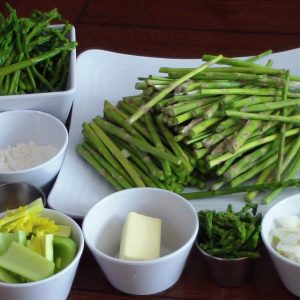
- Strain stock into a bowl or another stockpot, discard the stems
Building the body of the soup
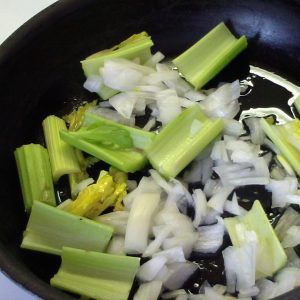
- Saute celery, onions, ginger in 1 tsp olive oil, remove ginger before pureeing
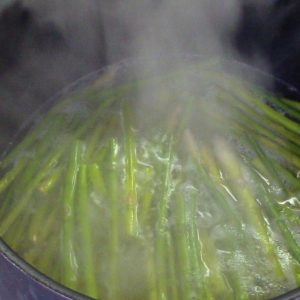
- Trim some of the tips of the asparagus to use for garnish, place these tips into 1 cup of the hot stock, let sit in the broth for 4 minutes, strain, and add stock back into the stockpot. Cool tips until it is the time to garnish your soup
- Add the celery, the onions, and the remaining edible portion of the asparagus to the stockpot.
Roux/Thickener
- in a saucepan on medium heat or saute pan melt the coconut oil, combine flour and mix thoroughly. Continue to cook on medium heat for 2-3 minutes until you smell a slightly nutty aroma.

Thicken Soup
- Blend vegetables into stock either with an immersion blender or in a traditional blender, add 5 tbsp nutritional yeast, stir in
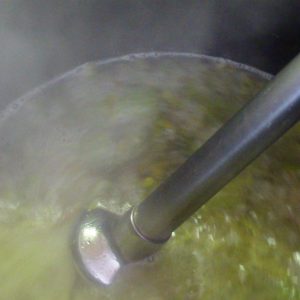
- Blend the roux into the vegetable thickened soup; use an immersion blender or a traditional blender

- Adjust the seasoning using salt and pepper
- Place soup in a bowl, garnish with asparagus tips, sprinkle nutritional yeast