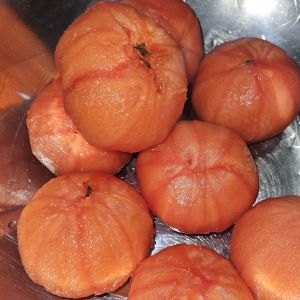
The tomato is one of the most foundational ingredients in both classical and modern kitchens, valued for its balance of acidity, sweetness, and umami. When treated with care, as in tomato concassé, it becomes a refined building block rather than a rustic afterthought. By removing the skin and seeds, the tomato’s pure flesh shines, delivering clean flavor and a tender texture that integrates seamlessly into finished dishes without excess moisture or bitterness.
Tomato
The tomato is one of the most foundational ingredients in both classical and modern kitchens, valued for its balance of acidity, sweetness, and umami. When treated with care, as in tomato concassé, it becomes a refined building block rather than a rustic afterthought. By removing the skin and seeds, the tomato’s pure flesh shines, delivering clean flavor and a tender texture that integrates seamlessly into finished dishes without excess moisture or bitterness.
When tomatoes are treated with classical methods such as concassé—peeled, seeded, and chopped—their flavor becomes cleaner and more controlled. Removing the skin eliminates toughness, while removing the seeds reduces bitterness and excess moisture. This allows the tomato’s flesh to deliver pure flavor without dominating or diluting a dish. Chefs rely on this precision when texture and consistency matter, especially in composed plates or delicate sauces.
Tomatoes also serve as a seasonal indicator of quality. A peak-season tomato requires little manipulation beyond salt and olive oil, while an off-season tomato benefits greatly from techniques that concentrate and refine its flavor. Whether roasted, blanched, stewed, or served raw, tomatoes respond well to thoughtful handling.
Beyond flavor, tomatoes carry nutritional value, offering vitamin C, potassium, and antioxidants such as lycopene. Their versatility, affordability, and universal appeal explain why tomatoes are foundational across cuisines—from Mediterranean and Latin American to Asian and Middle Eastern cooking. Mastery of tomato handling is often one of the earliest and most essential lessons in a chef’s development, reinforcing the idea that excellence begins with respect for simple ingredients.
Bruschetta Topping
A well-executed bruschetta topping showcases the tomato at its freshest and most honest. Traditionally served on toasted bread rubbed with garlic, bruschetta relies on balance rather than complexity. Tomatoes are the star, supported by olive oil, herbs, and seasoning that enhance rather than overpower. Using tomato concassé for bruschetta elevates this simple preparation into something polished and intentional.
Concassé tomatoes are ideal because they provide structure without excess liquid. Seeds and skins, if left intact, can quickly make toasted bread soggy and muddy the flavor. By removing them, the topping remains vibrant, fresh, and visually appealing. The diced tomato flesh sits lightly on the bread, allowing each bite to deliver clean acidity and natural sweetness.
A classic bruschetta topping often includes fresh basil, minced garlic, extra virgin olive oil, and salt. Variations may incorporate balsamic vinegar, shallots, or chili flakes, but restraint is key. The goal is to highlight the tomato, not bury it. Texture plays an equally important role; the tomatoes should be chopped evenly, offering a pleasant bite without becoming a paste.
In professional kitchens, bruschetta toppings are often prepared just before service to preserve freshness. Holding tomatoes too long after salting can draw out moisture and dull flavor. When executed correctly, bruschetta becomes more than an appetizer—it’s a demonstration of knife skills, ingredient respect, and timing. It reminds cooks that simplicity demands discipline, and that even the most straightforward dishes reveal a chef’s understanding of fundamentals.
Tomato Uses
The uses of tomato span nearly every cooking category, making it one of the most adaptable ingredients in the kitchen. Tomatoes can serve as a primary ingredient, a supporting flavor, or a finishing garnish, depending on how they are prepared. Raw tomatoes add brightness and freshness, while cooked tomatoes develop sweetness and depth through caramelization and reduction.
In cold applications, tomatoes appear in salads, salsas, relishes, and garnishes. Concassé tomatoes are beneficial here, offering clean flavor and refined texture without excess juice. In hot applications, tomatoes serve as the base for soups, stews, braises, and sauces, where their acidity balances richness and enhances savory notes.
Tomatoes also function as a natural thickener when reduced, thanks to their pectin content. This makes them ideal for sauces and stocks without the need for additional starches. In professional cooking, tomatoes are frequently used to deglaze pans, lift fond from sautéed meats, or brighten slow-cooked dishes near the end of cooking.
Beyond savory dishes, tomatoes even find their way into unexpected applications such as jams, cocktails, and fermented preparations. Each method highlights a different aspect of the ingredient—freshness, sweetness, acidity, or umami.
Understanding the many uses of the tomato allows cooks to choose the proper preparation for the desired outcome. A seeded, peeled tomato behaves very differently from a crushed or puréed one. Mastery lies in recognizing these differences and applying the correct technique to support the dish, rather than letting the tomato overpower it.
Tomato Sauce
A well-made tomato sauce is a cornerstone of culinary tradition, valued for its ability to be both simple and deeply expressive. At its core, tomato sauce is about transformation—taking raw tomatoes and applying heat, time, and restraint to create something cohesive and balanced. Starting with concassé tomatoes gives the cook greater control over texture, acidity, and final consistency.
By removing skins and seeds at the outset, the sauce develops a smoother mouthfeel and a cleaner flavor. This eliminates the need for aggressive straining or excessive reduction later in the process. Concassé tomatoes break down evenly, allowing the sauce to thicken naturally while maintaining a fresh tomato profile.
Tomato sauces range from quick, lightly cooked preparations to long-simmered versions layered with aromatics. Garlic, onion, olive oil, and herbs are standard foundations, but the quality of the tomatoes remains the determining factor. A good tomato sauce should taste balanced—never overly acidic, watery, or heavy.
In professional kitchens, tomato sauce serves as a base for countless derivatives, from marinara and arrabbiata to braising liquids and finishing sauces. Its versatility makes it a teaching tool for technique, seasoning, and patience. Overcooking dulls flavor, while undercooking leaves harsh acidity.
Ultimately, tomato sauce reflects the cook’s philosophy. When prepared with intention and respect for the ingredient, it becomes more than a supporting element—it becomes the quiet foundation that allows an entire dish to succeed.
Tomato Concasse
Equipment
- 1 strainer
- 1 stock pot
- 1 large bowl
Ingredients
- 18 lb Tomato
- 2 gallon water
- 2 gallon water ice water
Instructions
- Grow or attain the highest quality tomato, 18 lb
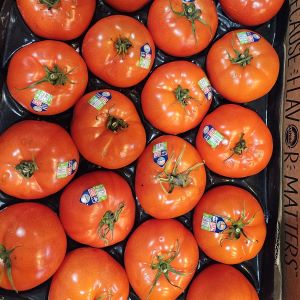
- if purchased remove stickers, place an x with a knife just through the skin of the tomato on the bottom of the tomato
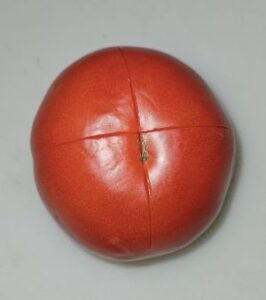
- Bring 2 gallons of water to a boil. Once the tomatoes are prepared as listed above, dip them in boiling or simmering water for 15 seconds, which loosens the skin for removal. Remove the tomato and drop it in ice water. This is called blanching, which is partially cooking, and shocking, which stops the cooking process.
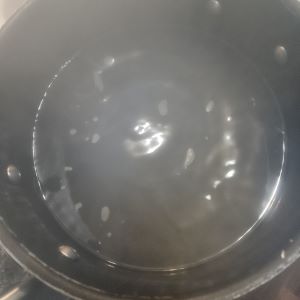
- Blanch and shock all of the tomatoes. Then begin peeling the tomatoes
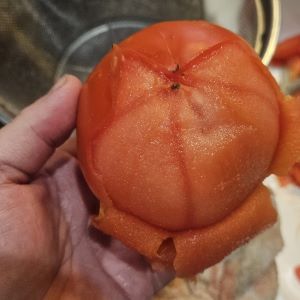
- After you have peeled all of the tomatoes, you will then cut the peeled tomatoes in half
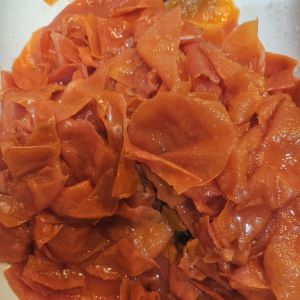
- Cut all of the tomatoes in half
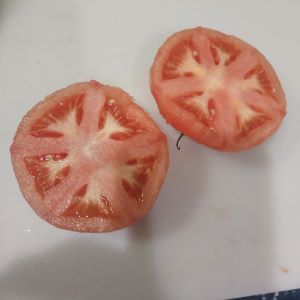
- You will set up a strainer over a stock pot, and squeeze the halves of the tomato into it. The extracted juice will be used in your sauce production, while you will discard the seeds.
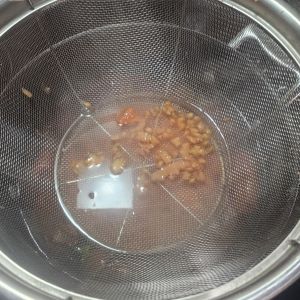
- Once you have squeezed all of the halves of tomato into the strainer, you will have tomato bodies left. You will need to determine which tomato cores are not tender enough to use in your recipes.
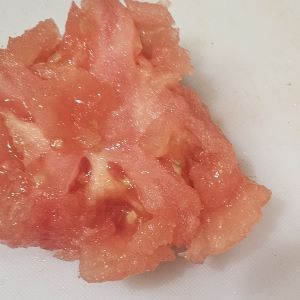
- The remaining tender bodies will be ready with no skin, stem, or seeds for your recipes. The juice you drained into the stock pot can be reduced and added to your sauce recipes. The bodies you can dice, crush for your recipes.