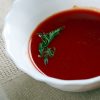
In classical French cuisine, Espagnole is one of the five mother sauces, alongside Béchamel, Velouté, Hollandaise, and Tomato. These foundational sauces serve as the building blocks from which hundreds of secondary, or “daughter,” sauces are derived. Espagnole is the mother sauce most associated with depth, complexity, and richness, especially when paired with red meats or used in haute cuisine.
Espagnole Sauce Recipe
Espagnole sauce, also known as brown sauce, is a cornerstone of classical French cuisine. It forms the base for many derivative sauces and is considered one of the five mother sauces as defined by Auguste Escoffier. The traditional Espagnole sauce recipe begins with a dark brown roux, made by cooking equal parts of flour and butter until it is rich and nutty in aroma. To this, brown stock—typically made from veal or beef—is added gradually while whisking to prevent lumps.
What makes Espagnole unique is the addition of mirepoix (a mixture of diced onions, carrots, and celery), tomato paste, and a bouquet garni (a bundle of herbs such as thyme, parsley, and bay leaf wrapped in cheesecloth or tied with twine). The mixture is simmered for hours, allowing it to thicken and concentrate in flavor. The result is a robust, deeply savory sauce with notes of roasted vegetables and a rich umami flavor from the meat stock.
Used as a foundation, Espagnole can be transformed into demi-glace (by reducing it further with stock), or sauces like Bordelaise, Chasseur, or Sauce Robert. Although time-consuming, mastering Espagnole opens the door to a range of refined sauces. In modern kitchens, chefs sometimes simplify the process by using pre-made stock or adjusting the cooking time, but the essence remains—a deeply layered, earthy sauce that complements red meats, game, and hearty vegetables.
Espagnole is a Mother Sauce in French Cuisine
In classical French cuisine, Espagnole is one of the five mother sauces, alongside Béchamel, Velouté, Hollandaise, and Tomato. These foundational sauces serve as the building blocks from which hundreds of secondary, or “daughter,” sauces are derived. Espagnole is the mother sauce most associated with depth, complexity, and richness, especially when paired with red meats or used in haute cuisine.
Originating from the 19th-century French culinary tradition and codified by Escoffier, Espagnole is built on a dark roux, brown stock (typically made from veal or beef), mirepoix, tomato paste, and a bouquet garni. Unlike lighter sauces, it requires a longer cooking process to develop deep, roasted, and umami-packed flavors. Its dark color and intense taste make it ideal for slow-cooked dishes or as a finishing element to braised meats.
What distinguishes Espagnole in the hierarchy of mother sauces is its flexibility. It can be reduced to demi-glace for finer presentations or expanded into rustic sauces like Sauce Bigarade (orange-flavored) or Sauce Diable (spicy vinegar reduction). It’s a hallmark of French culinary discipline—measured, layered, and refined.
Although it may not appear as often in casual cooking today, Espagnole’s techniques persist in gravies, reduction sauces, and meat glazes around the world. Learning to prepare it is a rite of passage for any classically trained chef, linking modern kitchens back to the disciplined roots of European fine dining.
What is Epagnole Sauce Used for?
Espagnole sauce is prized for its rich flavor and versatility, making it a go-to base for many classic and contemporary dishes. What is Espagnole sauce used for? Primarily, it serves as a foundational sauce for red meats, game, and other hearty, full-flavored ingredients. Its complex profile—achieved through browning flour, caramelizing mirepoix, and simmering with robust stock and tomato paste—complements dishes that benefit from deep, earthy notes.
One of the most common applications is as a stepping stone to demi-glace, which is created by reducing Espagnole with additional brown stock until it becomes a thick, glossy glaze. This demi-glace is then used to enrich sauces such as Bordelaise (made with red wine and shallots), Chasseur (featuring mushrooms and white wine), and Bigarade (featuring orange zest and juice).
Espagnole can also be spooned directly over braised meats such as short ribs or lamb shanks. In game cookery, it’s used to enrich sauces for venison, boar, or duck. Some chefs incorporate it into ragouts or mix it into pan sauces for deglazing after searing steaks or chops.
Outside French cuisine, the essence of Espagnole influences gravies and brown sauces in global traditions, from British Sunday roasts to rich stews and even poutine gravies. It’s a sauce that commands respect in its preparation, bringing intensity and elegance to a wide range of meat-based dishes.
Espagnole Sauce Variations and Modern Twists
While Espagnole sauce is rooted in classical French tradition, modern chefs continue to reinvent it through variations and creative twists that respect its foundation while updating it for contemporary palates and cooking styles.
One common variation is the use of alternative stocks. While veal stock was the gold standard, beef, chicken, or even mushroom stock can be used for dietary needs or to create vegetarian interpretations. Using a vegetable-forward mirepoix or substituting parsnips and leeks adds new flavor dimensions. Smoked paprika or chipotle can introduce heat and smokiness, turning Espagnole into a more global sauce base.
In fine dining, reductions are often infused with wine reductions (such as red, port, or Madeira), dried fruits, or dark chocolate for a richer, more layered experience. In casual or fusion cuisine, modern variations of Espagnole might lean toward barbecue-style gravies, spicy tomato blends, or even Korean-inspired gochujang infusions.
Another modern twist includes using pressure cookers or sous vide techniques to reduce cooking time while preserving flavor intensity. Some chefs also blend Espagnole into emulsions or foams for avant-garde plating.
In vegan kitchens, umami elements such as roasted mushrooms, miso paste, soy sauce, and nutritional yeast serve as replacements for meat stock, offering a similar depth and complexity.
Whether kept traditional or modernized, Espagnole remains a timeless technique. Its ability to adapt makes it not just a historical sauce, but a living one—always evolving with the chef’s imagination.
Espagnole Sauce
Ingredients
- ½ gallon veal stock
- 2.5 oz. flour
- 1¾ oz butter
- 6 oz. bacon diced
- 3½ oz. carrots peeled, diced,
- 3½ oz celery peeled, diced
- 3½ oz onion peeled, diced
- ½ tsp. thyme
- 4 each parsley sprigs
- 2 each bay leaves
- 8 oz. tomato puree
Instructions
- brown bacon, and diced mirepoix,
- heat veal stock and thicken with roux,
- Add hot thickened stock to bacon and mirepoix.
- Bring to a boil, reduce to simmer, reduce by 1/2
- strain