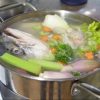
Fish fumet is one of those culinary preparations that can transform your seafood dishes from ordinary to extraordinary. While it may sound intimidating, this classic French stock is surprisingly simple to make at home. The foundation of fish fumet begins with fresh fish bones—preferably from white, lean species such as sole, halibut, or cod. Oily fish like salmon or mackerel are avoided, as they produce a strong and sometimes unpleasant flavor.
The Elegance and Depth of Fish Fumet
Fish fumet is a refined stock that has been a cornerstone of classic French cuisine for centuries. Unlike heavier meat-based stocks, this delicate preparation uses fish bones—typically from white-fleshed, non-oily species—along with aromatic vegetables, herbs, and a touch of white wine. The result is a light yet intensely flavored base that brings elegance and subtlety to countless seafood dishes.
The key to making fish fumet lies in its gentle cooking process. Fish bones are first rinsed to remove impurities, then combined with onions, leeks, celery, and herbs such as thyme, parsley, and bay leaf. White wine adds brightness, while a short simmer—usually no more than 30 minutes—ensures the final stock retains a clean, fresh flavor without bitterness. This quick cooking method preserves the delicate nature of the fish, making fish fumet an ideal foundation for soups, sauces, and poached seafood.
One of the most famous uses for fish fumet is in the preparation of classic French sauces such as velouté de poisson and sauce normande. It also plays a starring role in seafood bisques, risottos, and bouillabaisse, where its subtle marine essence elevates the entire dish. In modern cooking, chefs often reduce fish fumet to intensify its flavor, using it as a finishing touch for grilled fish or shellfish.
Whether in a professional kitchen or at home, mastering fish fumet is a skill that unlocks a world of refined seafood dishes. Its light yet complex flavor profile captures the very essence of the ocean, bringing sophistication and depth to every recipe it touches.
Mastering the Art of Fish Fumet at Home
Fish fumet is one of those culinary preparations that can transform your seafood dishes from ordinary to extraordinary. While it may sound intimidating, this classic French stock is surprisingly simple to make at home. The foundation of fish fumet begins with fresh fish bones—preferably from white, lean species such as sole, halibut, or cod. Oily fish like salmon or mackerel are avoided, as they produce a strong and sometimes unpleasant flavor.
The bones are gently sweated with aromatic vegetables such as onions, leeks, and celery, often in a touch of butter to add richness. A splash of dry white wine deglazes the pan, lifting any flavorful bits before water is added. The mixture is brought to a gentle simmer for 20–30 minutes—never boiled—to maintain clarity and prevent bitterness. This careful approach preserves the clean, fresh essence of the ocean that fish fumet is known for.
Once strained, fish fumet can be stored in the refrigerator for several days or frozen for months, making it a convenient flavor booster for seafood soups, sauces, and risottos. It’s an excellent base for dishes like seafood chowder or mussels in white wine, where the light stock allows the delicate flavors to shine.
For home cooks, mastering fish fumet is an investment in flavor. It’s a foundational technique that delivers professional-level results, ensuring every seafood dish carries depth, elegance, and a taste that transports you straight to the coast.
The Role of Fish Fumet in Classic French Cuisine
In the world of classic French cooking, fish fumet is an essential building block. French culinary tradition values well-crafted stocks as the backbone of flavor, and fish fumet holds a special place for seafood-based preparations. Its light, aromatic profile allows chefs to create sauces and soups that complement rather than overpower the featured seafood.
Traditionally, fish fumet is used as the liquid component in soupe de poisson or as the base for the refined velouté de poisson. One of its most famous applications is in bouillabaisse, the Provençal fish stew that blends local fish, shellfish, saffron, and herbs into a rich, fragrant dish. Without fish fumet, the stew would lack the depth and complexity that make it legendary.
French sauce-making also relies heavily on fish fumet. Sauce normande, for example, combines fish fumet with cream, butter, and mushrooms to produce a luxurious accompaniment to poached fish or seafood. Similarly, sauce américaine uses fish fumet enriched with tomatoes, herbs, and brandy to deliver a bold, aromatic profile perfect for lobster and other shellfish.
The careful preparation of fish fumet in French kitchens emphasizes technique, clarity, balanced aromatics, and gentle simmering. It is this attention to detail that transforms a simple combination of bones, vegetables, and wine into a refined culinary foundation. For chefs trained in the French tradition, fish fumet is more than just stock—it is a symbol of precision and respect for ingredients.
Creative Modern Uses for Fish Fumet
While fish fumet has its roots in classical French cooking, modern chefs have embraced its versatility in global cuisine. Its clean yet complex flavor profile makes it adaptable to a wide range of culinary styles beyond its traditional uses.
In Mediterranean cooking, fish fumet can replace water or broth in paella, infusing the rice with a rich seafood essence. In Japanese cuisine, it can be combined with miso paste to create a fusion-style soup that marries French and Asian flavors. Even Southeast Asian curries benefit from fish fumet, as its subtle marine character adds depth without overwhelming the spices.
Home cooks can also get creative with fish fumet. Try using it as the poaching liquid for shrimp, scallops, or even delicate white fish to enhance flavor while keeping the meat tender. Reducing fish fumet into a concentrated glaze makes an excellent finishing sauce for grilled seafood or vegetables. It can even be incorporated into creamy pasta dishes, lending a subtle seafood note that ties the flavors together.
Because fish fumet freezes well, it’s easy to keep a batch on hand for spontaneous cooking. Portion it into ice cube trays for quick, single-use servings. This way, you can add a touch of gourmet flair to everyday meals without extra effort.
The beauty of fish fumet in modern cooking lies in its adaptability. From fusion soups to seafood risotto, it continues to prove that this classic stock is as relevant today as it was in the kitchens of 19th-century France.
Fish Fume
Ingredients
- ½ lb. fishbones washed in cold water
- 1 quart water
- ⅓ tbsp leeks washed, quartered
- 2 each Celery ribs, cut in chunks, (leaves of 1 bunch celery)
- ½ cup chardonnay
Instructions
- place in stock pot and cover with 3 quarts of cold water
- bring to simmer and reduce to low heat.
- skim any impurities, floating on the surface during the simmering process
- your stock should be done in 1 hour
- strain remaining liquid from the pot into a 3-quart pot, or one large enough to hold it
- cool down stock, place pot in the sink with water that reaches halfway up the pot, add ice to drop the temperature of the water as cold as possible. Ideally, you want to get stock down to 70 degrees in 2 hours and down to under 40 in 4 additional hours.
- refrigerate, or freeze until used.