Traditional German pork schnitzel, also known as “Schweineschnitzel,” is a dish deeply rooted in Central European cuisine. While it shares similarities with the famous Austrian Wiener Schnitzel (which is typically made with veal), the German version is typically made with pork and is just as beloved for its crispy exterior and tender interior.
Crispy Pork Schnitzel Recipe
A crispy pork schnitzel recipe is all about achieving that perfect golden-brown crust while keeping the meat inside tender and juicy. This beloved dish, originally from Austria but popular across Germany and Central Europe, is a simple yet satisfying meal that’s easy to prepare at home.
Start with thin slices of pork loin or boneless chops. Pound them evenly with a meat mallet to about ¼-inch thickness—this ensures quick, even cooking. Season the pork with salt and pepper, then set up a traditional breading station with three shallow bowls: one for flour, one for beaten eggs, and one for fine breadcrumbs. For extra crispiness, use panko or dry breadcrumbs.
Dip each piece into the flour, then the egg, and finally coat it generously in breadcrumbs, pressing it into help the breadcrumbs stick. Fry the schnitzels in a generous amount of oil—enough to shallow-fry—in a hot skillet until they’re golden and crisp on both sides. Drain on paper towels and serve immediately, accompanied by lemon wedges.
The key to crispy perfection is high heat, thin meat, and fresh oil. Don’t overcrowd the pan, and avoid flipping too soon—let the crust set and brown properly. Crispy pork schnitzel is typically served with potato salad, fries, or a fresh cucumber-dill salad.
This recipe is easy to master and makes for a quick weeknight dinner or an impressive weekend feast. It’s everything comfort food should be—crunchy, tender, and utterly irresistible.
Traditional Pork Schnitzel
Traditional German pork schnitzel, also known as “Schweineschnitzel,” is a dish deeply rooted in Central European cuisine. While it shares similarities with the famous Austrian Wiener Schnitzel (which uses veal), the German version is typically made with pork and is just as beloved for its crispy exterior and tender interior.
To prepare it the authentic way, use boneless pork chops and pound them thin, ensuring even cooking and that classic schnitzel texture. The meat is seasoned with salt and pepper before being dredged in flour, dipped in beaten eggs, and coated in fine breadcrumbs—never seasoned or overly coarse.
The secret to true German schnitzel lies in the frying method. It should be pan-fried in a neutral oil or clarified butter until golden brown and crunchy. The bread should puff up slightly and never be greasy. Traditionally, the schnitzel is not pressed down during frying, preserving its light, crispy crust.
In Germany, pork schnitzel is served with a variety of side dishes depending on the region. Common accompaniments include warm potato salad (Kartoffelsalat), fried potatoes (Bratkartoffeln), or sauerkraut. A lemon wedge is nearly always served on the side to add a burst of acidity that cuts through the richness.
Some variations include toppings such as mushroom cream sauce (Jägerschnitzel) or a fried egg and onions (Holsteiner Schnitzel), but the classic version remains delightfully simple. Traditional German pork schnitzel is a comfort food classic that highlights the elegance of well-prepared, humble ingredients.
Easy Homemade Pork Schnitzel
Easy homemade pork schnitzel brings the joy of restaurant-quality comfort food right into your own kitchen. This dish may look impressive, but it’s incredibly straightforward to prepare, making it a perfect addition to your weeknight dinner rotation.
Start with thin cuts of pork, preferably loin chops or cutlets. If the meat isn’t already thin, use a meat mallet or rolling pin to flatten it evenly. Season with salt and pepper, then coat each piece using the standard breading technique: flour, egg, and breadcrumbs. This triple-coating method ensures the schnitzel gets crispy and golden without burning.
Use plain or seasoned breadcrumbs depending on your taste. For added crunch, panko breadcrumbs are an excellent choice. Heat a skillet with enough oil to shallow-fry, and cook each schnitzel for 2–3 minutes per side or until golden and cooked through.
Drain on a paper towel-lined plate and serve immediately for the best texture. Pair with a squeeze of lemon and simple sides, such as mashed potatoes, green beans, or a light salad.
What makes this recipe “easy” is its flexibility—you can make it with minimal ingredients, it’s ready in under 30 minutes, and you don’t need any special tools or skills. Whether you’re new to cooking or a seasoned home chef, homemade pork schnitzel is a reliable, crowd-pleasing dish that’s perfect for any occasion.
Pork Schnitzel with Breadcrumbs
Pork schnitzel with breadcrumbs is a classic dish that demonstrates how basic ingredients can be combined to create something wonderfully flavorful and satisfying. The key to this dish is the breading—the crunchy, golden coating that delivers a delightful contrast to the tender pork inside.
To start, select boneless pork chops and pound them until they’re thin and even. Season both sides with salt and pepper. Next, prepare three shallow dishes: one with flour, one with beaten eggs, and one with breadcrumbs. For the best texture, use fine, dry breadcrumbs or panko, which create a light and crispy crust.
Dredge the pork cutlets in flour first (to help the egg stick), then in the egg, and finally coat them thoroughly in the breadcrumbs. Press gently to ensure the crumbs adhere well. Heat a generous amount of oil in a skillet over medium-high heat and cook each schnitzel until golden brown on both sides—about 3 minutes per side.
Let them rest briefly on a paper towel to remove excess oil. A squeeze of fresh lemon juice right before serving enhances the flavor beautifully. You can serve pork schnitzel with breadcrumbs alongside buttery potatoes, steamed vegetables, or a fresh cucumber salad for a balanced meal.
This dish is proof that with just a few pantry staples—flour, eggs, and breadcrumbs—you can transform pork into a crunchy, flavorful, and incredibly satisfying meal. Whether you’re cooking for family or entertaining guests, pork schnitzel never fails to impress.
German Pork Schnitzel
Ingredients
- 1 each pork pork tenderloin, 8-12 oz, trimmed
- 2 each eggs
- 2 cups panko bread crumbs
- 1 cup flour
- 1 tsp salt
- 1 tsp pepper fresh ground
- ½ cup chopped parsley
- 1 cup Olive Oil Blend
Instructions
- layout 8 – 12 oz pork tenderloin, clean excess fat,
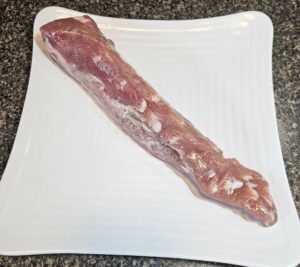
- cut pork into mecallions which are each of about equal weight

- Cover medallions with plastic wrap, pound medallions into evenly thin portidns

- The result should resemble this image

- Now you will bread them, with a "standard breading procedure", flour, egg, bread crumb

- The first step in the breading procedure is flouring, take your flour seasoned with salt and pepper and dredge, or coat the cutlets in flour, 1

- The Second step of the breading process is to dredge, or coat the cutlet with egg wash

- The Third step is to dredge the cutlet with seasoned bread crumbs

- In a skillet, add 2 oz of oil, heat until the a crumb sizzles at touch, then add 3 to 4 cutlets depending on pan

- Drizzle the cooked schnitzel with fresh lemon and chopped parsley