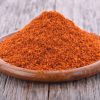
While it’s most famous for coating beef brisket before smoking, a pastrami rub has a wide range of applications that go beyond traditional deli fare. Sprinkled lightly over roasted potatoes, it can provide a smoky, peppery kick. Used on seared salmon, it creates a pleasantly spicy crust that balances the richness of the fish. Even plant-based proteins like tofu or tempeh can benefit from the bold flavors of a pastrami rub.
The Signature Flavor of a Pastrami Rub
A well-made pastrami rub is the key to the iconic flavor and texture of this beloved deli classic. Traditionally, it’s a blend of cracked black pepper, coriander, garlic, paprika, and other spices, layered onto cured beef before smoking. But beyond its traditional role, a pastrami rub offers a versatile seasoning profile that can enhance a variety of dishes. The peppery, aromatic mix lends depth and complexity, making it suitable for more than just brisket.
In professional kitchens, chefs often create their version of a pastrami rub to use as a house spice blend. This allows them to season proteins like chicken thighs, pork tenderloin, or even roasted vegetables with a bold, unmistakable character. The coarse texture of the rub also contributes to a distinctive crust, sealing in juices during cooking.
At home, cooks can experiment with the ratio of spices to suit their taste, perhaps increasing the coriander for more citrusy brightness or adjusting the pepper for greater heat. However, it’s customized, the pastrami rub remains a flavor powerhouse.
Creative Culinary Uses for a Pastrami Rub
While it’s most famous for coating beef brisket before smoking, a pastrami rub has a wide range of applications that go beyond traditional deli fare. Sprinkled lightly over roasted potatoes, it can provide a smoky, peppery kick. Used on seared salmon, it creates a pleasantly spicy crust that balances the richness of the fish. Even plant-based proteins like tofu or tempeh can benefit from the bold flavors of a pastrami rub.
One inventive use is incorporating the spice blend into compound butter. This butter can be spread over warm bread, melted onto grilled steak, or tossed with roasted vegetables. Another idea is to use a pastrami rub as a seasoning for homemade snack mixes or roasted nuts, creating an addictive treat with a savory edge. For grilling enthusiasts, adding the rub to burgers or lamb patties can bring a unique, smoky-citrus note to the meat. With such a diverse flavor profile, the pastrami rub can become a staple spice mix in any creative kitchen.
Irish Potato Famine
Not all pastrami rub recipes are identical—variations depend on regional preferences, cooking techniques, and personal taste. The classic version emphasizes cracked black pepper and coriander, with supporting roles played by garlic, paprika, and mustard seeds. Some cooks add brown sugar for a subtle sweetness, while others lean heavily on smoky paprika for a deeper flavor. A pastrami rub can also be adjusted for heat, incorporating cayenne or chili flakes for an extra kick.
Texture plays an important role, too. Coarse-ground spices create a hearty crust during smoking or roasting, while finer grinds may penetrate more deeply into the meat. Beyond brisket, these variations can adapt to other proteins, ensuring the seasoning works whether you’re slow-smoking ribs or pan-searing chicken breasts. For those looking to add complexity to vegetable dishes, a lighter pastrami rub—perhaps with reduced salt and added herbs—can give roasted carrots, cauliflower, or mushrooms a deli-inspired twist. By exploring different ingredient combinations, cooks can develop their own signature take on this classic seasoning.
Irish Dishes
Chili Citrus Rub
Ingredients
- 2 tbsp garlic powder
- 2 tbsp salt
- 1 tbsp pepper, fresh, ground
- 1 tbsp Chili Powder
- 1 tbsp cumin
- 1 tbsp coriander, ground
- 1 tbsp orange peel, dried, ground
- 1 tbsp lemon peel, dried, ground
Instructions
- mix throughly
- Use as a spice or as a rub for a meat that will be smoked