While southwest seasoning is often used for grilled meats, its flavor potential goes far beyond the barbecue. This spice blend is a fantastic way to elevate everyday recipes and experiment with bold flavor profiles in unexpected places.
South West Seasoning – A Bold and Versatile Flavor Blend
Southwest seasoning is a vibrant spice mix that captures the bold, earthy, and smoky flavors associated with Southwestern cuisine. Known for its combination of chili powders, cumin, garlic, paprika, and herbs, it brings a depth of flavor that works well on a variety of dishes, from grilled meats to roasted vegetables. The blend often incorporates both smoky and slightly sweet elements, making it a versatile addition to any kitchen.
One of the defining traits of South West seasoning is its balance between heat and warmth. Chili powder or ground cayenne adds spice, while cumin and smoked paprika provide rich, aromatic undertones. Garlic powder and onion powder add savory depth, and dried oregano or thyme rounds out the herbal notes. Some variations even include a hint of brown sugar to soften the spice and create a well-rounded flavor profile.
Cooks use southwest seasoning in many ways—it’s excellent as a dry rub for chicken, beef, or pork before grilling or roasting. It can also be sprinkled over roasted potatoes, stirred into chili or soups, or mixed with olive oil as a marinade. For a vegetarian twist, it enhances the flavor of black bean burgers, grilled zucchini, or corn on the cob.
By keeping a jar of homemade or store-bought southwest seasoning on hand, you can quickly transform everyday dishes into something bold and flavorful. Its versatility, rich aroma, and layered taste make it a staple for anyone who loves the hearty, robust flavors of Southwestern cooking.
Creative Uses for South West Seasoning
While southwest seasoning is often used for grilled meats, its flavor potential goes far beyond the barbecue. This spice blend is a fantastic way to elevate everyday recipes and experiment with bold flavor profiles in unexpected places.
In breakfast dishes, sprinkle it into scrambled eggs or breakfast burritos for a smoky, savory kick. Stir it into hash browns or breakfast potatoes for a seasoned crust. For lunch or dinner, toss it with chickpeas before roasting, use it to season ground turkey for tacos, or mix it into breading for chicken tenders.
Southwest seasoning also pairs beautifully with creamy elements. Blend it into sour cream or Greek yogurt for a quick dipping sauce, or stir it into mayonnaise for a smoky sandwich spread. Mixed with melted butter, it becomes an irresistible drizzle for popcorn or roasted corn on the cob.
For vegetarians and vegans, it’s a flavorful addition to lentil stews, grilled vegetable platters, or quinoa salads. Even pasta dishes can benefit—a light dusting over creamy mac and cheese adds warmth and complexity.
Because southwest seasoning combines multiple spices in one, it streamlines cooking without sacrificing depth. Having it on hand means you can quickly infuse any dish with the hearty, sun-kissed flavors of the Southwest.
Making Your Own South West Seasoning at Home
Basic Homemade South West Seasoning Recipe:
- 3 tablespoons chili powder
- 2 tablespoons smoked paprika
- 1 tablespoon ground cumin
- 1 tablespoon garlic powder
- 1 tablespoon onion powder
- 1 teaspoon dried oregano
- 1 teaspoon black pepper
- Optional: ½ teaspoon cayenne for extra heat
Mix all ingredients in a small bowl until evenly combined. Store in an airtight container away from heat and light for maximum freshness.
This homemade version of southwest seasoning is perfect for marinating meats, seasoning roasted vegetables, or adding flavor to beans and rice. Adjust the proportions for your signature blend—more smoked paprika for richness, extra cumin for an earthy note, or additional cayenne for a fiery kick.
Making your spice blends can also save money over time and reduce waste from buying multiple pre-made packets. Plus, a homemade jar of southwest seasoning makes a thoughtful gift for friends who love to cook. Whether used daily or as a special-occasion flavor boost, this blend will quickly become a pantry essential.
Regional Variations of South West Seasoning
While there’s no single “official” formula, regional influences shape how south-west seasoning is made across the United States and beyond. In New Mexico, the blend often leans heavily on local chili varieties, giving it a distinctly deep, earthy heat. Arizona-style blends might include more cumin and coriander for warmth, while Texas-inspired versions may add extra black pepper and garlic for bolder, more assertive flavor.
Some blends draw from Mexican culinary traditions, incorporating ingredients like dried chipotle, ancho chili powder, or even cocoa powder for depth and a hint of bitterness. Others take cues from Native American influences, using herbs like sage or juniper to add aromatic complexity.
Even within the same region, personal and family recipes can differ. Some prefer a smokier version with more paprika, while others enjoy a sweeter profile by adding a pinch of brown sugar. This adaptability is what keeps south west seasoning relevant—it can be tailored to suit everything from Tex-Mex tacos to rustic grilled vegetables.
In modern kitchens, chefs are experimenting with global fusions, combining southwest seasoning with Asian spices for cross-cultural dishes or adding it to Mediterranean-style roasted meats for a surprising twist. Whether staying true to tradition or pushing boundaries, this blend continues to be a celebration of bold, sun-drenched flavor.
South West Seasoning
Ingredients
- 2 oz chili powder dark
- 1 oz cumin ground cumin seed
- 2 oz seasoned salt see recipe for seasoned salt
Instructions
- combine all ingredients in a bowl, stir well
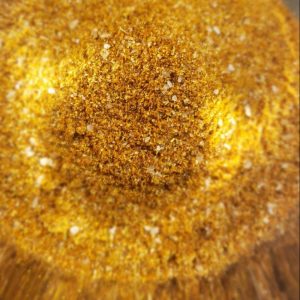
- store in a dry container