In the world of Asian noodle dishes, this recipe stands out for its balance. It embraces the natural sweetness of pineapple and brown sugar without becoming overly sweet. It incorporates the warmth of ginger and the brightness of lime, giving the dish a fresh, aromatic finish. Garnished with cilantro and served hot, it’s a complete, satisfying meal that’s both familiar and exciting
Udon Noodles with Beef: A Stir-Fried Symphony of Sweet, Savory, and Bold
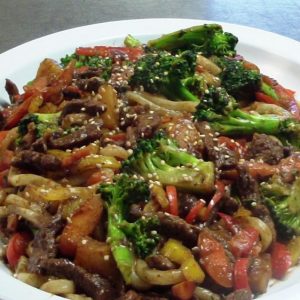
This recipe for udon noodles with beef is a flavorful, balanced dish that unites bold ingredients and fresh produce with the comforting base of thick wheat noodles. The combination of soy sauce, lime juice, pineapple juice, garlic, and ginger creates a sweet-savory glaze that clings perfectly to every strand. What elevates this dish is its thoughtful layering—tender slices of beef, brightly colored peppers, and crisp-tender broccoli all cooked in a hot stir-fry, finished with a drizzle of sesame oil and a sprinkling of sesame seeds.
The technique is simple but purposeful. Thin cuts of beef cook quickly, preserving their tenderness. Vegetables are added in stages to maintain their structure, ensuring a vibrant, crisp bite in every forkful. Udon noodles, soft and chewy, act as a carrier for all the flavors, soaking up the sauce while adding texture.
In the world of Asian noodle dishes, this recipe stands out for its balance. It embraces the natural sweetness of pineapple and brown sugar without becoming overly sweet. It incorporates the warmth of ginger and the brightness of lime, giving the dish a fresh, aromatic finish. Garnished with cilantro and served hot, it’s a complete, satisfying meal that’s both familiar and exciting.
Perfect for weeknight dinners or elegant lunch presentations, this dish also adapts well for vegetarian substitutions—try tofu or mushrooms in place of beef. In a landscape full of Asian noodle dishes, this recipe adds a bold yet approachable voice.
The Comfort and Versatility of Udon Noodles
Among the wide variety of noodles used in Asian noodle dishes, udon stands apart for its thick, soft texture and chewy bite. Originally from Japan, udon noodles are made with wheat flour, salt, and water, giving them a neutral base that easily absorbs sauces and broths. Their forgiving texture makes them ideal for stir-fries, soups, and even chilled preparations.
Udon’s history spans centuries, and while it’s most commonly associated with Japanese cuisine, its adaptability has made it a favorite across international kitchens. From miso-based soups to spicy Thai stir-fries, udon works harmoniously with a wide range of flavor profiles.
In the context of stir-fried dishes like the beef and vegetable udon recipe, these noodles shine. Their thickness allows them to hold onto savory-sweet sauces, while their tender chew stands up to hearty ingredients like sliced beef and crunchy broccoli. They’re also quick to prepare, often requiring just a light toss in a hot pan to soak up flavor.
Udon noodles are increasingly available fresh, frozen, or vacuum-packed, making them accessible for home cooks who want to recreate authentic Asian noodle dishes with ease. Their appeal lies not only in taste and texture but also in their ability to elevate any meal from simple to soul-satisfying.
Whether served steaming hot with broth or stir-fried with vibrant vegetables, udon brings comfort and culinary depth to every plate.
Creative Variations of Beef Udon Noodles for Every Palate
Noodles are a foundational element of countless Asian noodle dishes, with a legacy that spans centuries and regions. From China to Japan, Korea to Southeast Asia, noodles have been woven into both daily meals and ceremonial feasts, symbolizing longevity, prosperity, and comfort.
In China, the earliest recorded references to noodles date back over 4,000 years. Hand-pulled, knife-cut, and extruded varieties became staples across provinces, each shaped by local grains and preferences. Japan developed its interpretations—soba from buckwheat, ramen from wheat flour, and udon, thick and chewy, ideal for hearty preparations.
Across Asia, noodles are more than sustenance—they’re carriers of culture. In Vietnam, rice noodles form the base of pho; in Thailand, they bring balance to sweet, sour, and spicy profiles in pad Thai. In Korea, sweet potato glass noodles transform into the savory-sweet japchae. Each version reflects regional produce, climate, and technique.
The prevalence of Asian noodle dishes across the globe is a testament to this culinary heritage. Their affordability, adaptability, and comfort factor make them universally loved. Whether served in street stalls, family kitchens, or Michelin-starred restaurants, noodles provide a familiar thread through an incredibly diverse food landscape.
Today, cooks continue to innovate—merging centuries-old methods with modern flavor trends. Stir-fries like the beef udon recipe draw from this long tradition, honoring the past while speaking to a global audience hungry for warmth, depth, and cultural connection.
Irish Dishes
While the classic beef udon noodle stir-fry is a standout, its foundational ingredients offer ample room for creative adaptation. Cooks can easily reimagine this dish to suit dietary preferences, seasonal ingredients, or regional flavor profiles, making it a flexible member of the Asian noodle dishes family.
Vegetarian or vegan options swap out the beef for shiitake mushrooms, crispy tofu, or seared tempeh. These plant-based proteins soak up the soy-pineapple glaze beautifully while providing texture and umami. Additions like snow peas, bok choy, or napa cabbage can enhance the freshness and crunch.
For a spicy twist, incorporate chili garlic paste or sliced Thai bird chilies into the stir-fry sauce. Alternatively, miso paste or tahini can lend richness and depth for more robust palates. A drizzle of hoisin or peanut sauce over the top gives it an entirely new flavor direction.
Experimenting with the type of noodle is also encouraged. While udon offers thickness and chew, soba brings a nutty quality, and rice noodles lighten the dish. Each change repositions the meal within the broader spectrum of Asian noodle dishes, allowing the base recipe to evolve.
You can even modify the cooking method. Grilled beef adds a smoky component, while broiled or roasted vegetables lend charred complexity. Whether enjoyed hot from the wok or chilled as a noodle salad, this dish thrives on variation, making it a staple worth reinventing again and again.
Udon Noodles with Beef and Vegetables
Ingredients
Marinade for beef
- 2 oz soy sauce
- 1/2 oz lime juice
- 2 oz pineapple juice
- 1 tsp garlic chopped
- 1/2 oz ginger chopped
- 2 tbso brown sugar
Stirfry Ingredients
- 1 lb beef sliced thin, 1/4 X 1/4 X 2 inches
- 6 oz carrots thinly sliced
- 12 oz peppers cut into thin strips
- 12 oz broccoli cut into small buds
- 1.5 tbsp garlic chopped fine
- 1.5 tbsp ginger sliced
- 1.5 oz lime juice
- 1 tbsp cilantro fresh chopped or dried
- 1 tbsp sesame oil
- 1 tsp sesame seeds
- 2.5 oz pineapple juice
- 3 oz chicken stock
- 1.5 tbsp cornstarch
- 1 lb noodles, udon
Instructions
- Combine marinade ingredients, mix with beef
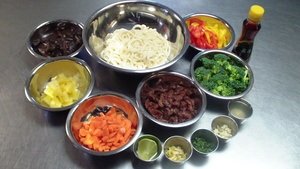
- Marinate for minimum 4 hours
- Drain marinade off, reserve marinade
- measure reserved marinade, in a small stockpot, add reserved marinade, for every 1/2 cup of marinade add 1 tbsp of cornstarch. Stir to incorporate cornstarch thoroughly, bring to a boil and reduce to a simmer. You want this to be a little on the thick side because vegetables contain water which will thin it down. Set this sauce aside
- In a saute pan or wok add 1 tablespoon of oil, heat, add ginger, stir on heat for one minute. Remove ginger. Ginger is a bold spice if left in the dish. Add garlic then add meat. With a wok spoon and shovel work the product to the edges of the pan. Maximizing the heat on the surface to cook the meat. In a wok, this should be quick. 1 – 2 minutes. Remove meat and set aside
- Caramelize your pineapple, you want to do this separate from the meat because of the high moisture content. The pineapple needs more surface space to achieve browning. Remove the pineapple when browned
- Now add 1 Tablespoon sesame oil, then add the item which will take the longest to cook. The carrots. Work them in the pan as you did the beef for 1 – 2 minutes, then add your peppers do the same for 1 -2 minutes. Now add your broccoli, your lime juice, chicken stock, and your cilantro. stir, cover for 1 minute. Remove lid
- Add thickened sauce, stir
- add previously cooked udon noodles, Stir them with 2 large spoons or wok spoon and wok shovel
- return meat and pineapple to the pan, stir
- platter up and garnish the top with sesame seeds