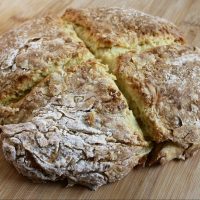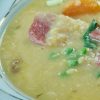
Ham and split pea soup will be the next dish we discuss. Ah, the rich smoked ham or shoulder that adds the main character to split pea soup. I prefer my split pea soup to be thicker. However, not thickened with traditional methods, the thickness of this soup comes from the cooking down of the split peas themselves. The longer you cook the pea-filled broth, the thicker the soup gets. This is a preference, so you choose your thickness. However, potatoes, carrots, ham, or shoulder in a pea-thickened solution is a treat, if you can get past the pale, army-green color.
Split Pea and Ham- Soup vs Stew
Split pea and ham is a unique kind of soup. It begins like a soup, is similar to a stew. So, you can see where the argument between soup and stew might come from.
If you were making a beef stew, you would season your beef and dredge it in flour. You would then sear the meat and place it in a stockpot with vegetables and stock. When it is completed, you would end up with a thickened stock because the flour would thicken the stock. The meat would be tender because it has been stewed over time, which tenderizes it. The vegetables and potatoes would also be tender.
The flavor would be rich, with beef and tomato flavors, complemented by the seasonings of garlic, rosemary, pepper, savory, and thyme. The potatoes would act as the receiver because, as you put the stew in a bowl, you would have the option to mash the potatoes in the bowl and mix them with the stew and vegetables. You could dip your butter-laden bread slice in the rich sauce and savor the flavors.
Your pea soup would vary depending on the process you use to make it, and there would be no flour. The meat wouldn’t be seared; the only thickening agent used is the reduction and breakdown of the split peas in the soup. You might even get into a discussion about how some people don’t enjoy their split pea soup as thick. The beauty of this is that while you’re making it, if you want the pea soup thinner, you don’t cook it for as long. If you enjoy the thickness, you can cook it for a longer period. As the peas cook, they break down into fine starches, and the water dissipates, allowing the soup to thicken.
Split pea and ham soup vs. stew – this is a tough battle. Your pea soup ends up thicker and has virtually the same types of ingredients, which might include celery, onions, carrots, potatoes, and ham. The big difference, I believe, lies in the way the soup thickens, as peas reduce the soup’s thickness, whereas in beef stew, you aim to thicken it by using flour. This to me is the tipping point for the two. Either way a bowl of beef stew or a bowl of split pea soup, you can’t go wrong.
Is Split Pea and Ham Soup Good For You?
I would argue that, in moderation, naturally prepared foods can offer health benefits to you. Is split pea and ham soup good for you? The stock used is infused with vegetables and split peas, supplemented by potatoes and ham. The results of a nutritional analysis reveal that the soup contains above-average protein, as well as above-average iron and vitamin A. Calories are approximately 25% higher than average, and most other nutrients are about average.
I think there are many health benefits in the soup, which is nutrient-rich and high in protein for a soup. Calories can be high, but this is a high-fuel, high-protein soup. It is not a sour soup; however, the rich flavor and fullness make it perfect for people who like it to indulge in it and overdo it. If done so, you will receive the health benefits; however, you will also consume high quantities of calories. So good for you, yes, I believe it is, in moderation.
What Makes A Great Split Pea and Ham Soup Recipe?
What makes a great split pea and ham soup recipe isn’t the recipe, it isn’t the equipment or the kitchen. What makes a great split pea recipe is the ingredients. With any food dish you are faced with some decisions. What should I get to make this dish.
The challenge revolves around availability and quality. These two factors dictate a lot. The first and often the biggest is price. You may find the ingredients that you want to make a dish but because it isn’t readily used or available that the price may be much higher than anticipated.
Now you are faced with a decision; does the price for this product leave me with the value to results decision to make it worth buying. The answer may be simple, often times if you are making a specific recipe that requires a certain ingredient than you might decide to buy the higher priced ingredient. However in the case of split pea and ham there are many hams that are inexpensive that have similar or equal value to you as there is for a higher priced ham.
You may decide to go with the lower priced ham over the higher priced theoretically higher quality product. This is a personal decision that you need to weigh your personal knowledge and decide if the value equates to your need for it. Whatever you decide the recipe will honor your request, and give you the best results it can.
Split Pea and Ham
Ingredients
- 1 Bone From Ham or use ham hocks, leave some meat on bone
- 1 lb. Split Peas wash
- 1 gal Chicken Stock or water
- 1 cup Celery washed, diced
- 1 cup Carrot peeled, diced
- 1 cup Onion peeled, diced
- 1 cup Potato peeled, diced, cooked seperately in simmering water until tender
Instructions
- Simmer bones in stock with split peas
- Pea soup thickens as the stock reduces and the peas break down, the thickness is a preference. I like my pea soup on the thicker side. Cook to your desired thickness
- You will want to allow celery carrots and onion 20 – 30 minutes to cook. If they cook the entire time in the soup they will fall apart
- Taste and adjust seasonings