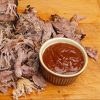
While pig sauce was initially intended for pork, its rich flavor profile makes it a versatile condiment in the kitchen. The vinegar and spice elements make it an excellent marinade for chicken thighs or drumsticks. Its sweet undertones allow it to double as a glaze for grilled salmon or shrimp.
The Origins of Pig Sauce
Pig sauce may sound like a whimsical name, but it carries a rich tradition in barbecue culture. This savory, tangy, and slightly sweet sauce is designed to complement pork in all its forms—pulled pork, ribs, chops, or even roasted whole hog. Its roots trace back to the Southeast, where pitmasters perfected the art of slow cooking and developed sauces to highlight the natural richness of pork.
Unlike standard tomato-based barbecue sauces, pig sauce often features a more complex balance of flavors. A blend of vinegar for brightness, sweeteners like brown sugar or molasses, and spices such as paprika, black pepper, and cayenne creates depth. Some variations even include fruit elements like apple juice or peach preserves, which pair exceptionally well with pork.
The name itself speaks to its intended purpose—this is a sauce made with pork in mind. However, modern cooks have found that pig sauce works just as well with chicken, smoked turkey, and even roasted vegetables. Its layered flavors adapt easily, offering both a marinade and a finishing glaze.
For anyone looking to capture authentic Southern barbecue flavors, pig sauce is an essential recipe to master. Its bold yet balanced profile ensures that every bite of pork is elevated, making it a go-to choice for backyard BBQs and competition cooks alike.
The Classic Pig Sauce Recipe
A well-crafted pig sauce blends tang, sweetness, and spice into a single, versatile condiment. Here’s a simple recipe that delivers authentic flavor:
Ingredients:
- 2 cups apple cider vinegar
- ½ cup ketchup
- ¼ cup brown sugar
- 2 tablespoons molasses
- 1 tablespoon Worcestershire sauce
- 1 tablespoon yellow mustard
- 2 teaspoons paprika
- 1 teaspoon black pepper
- ½ teaspoon cayenne pepper
- 1 teaspoon salt
Method:
Combine all ingredients in a saucepan over medium heat. Stir until the sugar dissolves and the sauce begins to simmer. Reduce the heat and allow it to cook for 10–15 minutes, stirring occasionally. The result is a tangy, slightly sweet pig sauce that can be brushed over ribs, tossed with pulled pork, or served on the side.
The beauty of this sauce lies in its flexibility. It’s thin enough to penetrate smoked meats yet bold enough to serve as a dip. Many pitmasters keep a warm pot of pig sauce ready during service, so every slice or shred of pork is basted right before serving. This technique keeps the meat moist and maximizes flavor.
Creative Uses for Pig Sauce Beyond Pork
While pig sauce was initially intended for pork, its rich flavor profile makes it a versatile condiment in the kitchen. The vinegar and spice elements make it an excellent marinade for chicken thighs or drumsticks. Its sweet undertones allow it to double as a glaze for grilled salmon or shrimp.
Vegetarians can use pig sauce as a dressing for roasted cauliflower, grilled portobello mushrooms, or charred zucchini. Mixed with olive oil, it becomes a bold vinaigrette for hearty salads or grain bowls. The sauce also works well as a base for baked beans—stir in a few spoonfuls before baking for an extra tangy kick.
In fusion cuisine, pig sauce pairs beautifully with Asian-inspired dishes. Drizzle it over crispy pork belly bao buns, use it to glaze teriyaki skewers, or stir it into fried rice for a barbecue twist. It even makes a flavorful dipping sauce for spring rolls or dumplings.
By thinking beyond the smoker, home cooks and chefs alike can transform pig sauce into an everyday pantry staple. Its adaptability ensures that even those who don’t cook pork regularly can still enjoy its bold, tangy-sweet charm.
Variations on the Pig Sauce Tradition
Pig sauce has evolved far beyond its original form, with regional and personal variations adding unique twists. In Eastern North Carolina, a vinegar-heavy pig sauce with minimal sweetness dominates, providing a sharp contrast to fatty pulled pork. In Memphis, you might find a thicker version with more tomato and molasses, leaning toward the style of a traditional BBQ glaze.
Adding fruit elements is a popular twist—peach, apple, or even pineapple can be simmered into the base for a natural sweetness and fresh aroma. For heat lovers, chopped jalapeños or crushed red pepper flakes bring a fiery kick. Smoky depth can be achieved by stirring in smoked paprika or chipotle powder.
Some adventurous cooks blend in bourbon or dark rum, creating a pig sauce with complexity that pairs perfectly with holiday hams. Others use honey instead of sugar for a softer sweetness and a richer mouthfeel.
These variations keep the tradition alive while allowing cooks to tailor the sauce to their taste preferences. Whether kept close to its vinegar-based roots or reinvented with modern flavors, pig sauce continues to hold its place as a beloved staple in barbecue kitchens.
Pig Sauce
Ingredients
- 1 cup Cider Vinegar
- 1 T. red pepper flakes
- ⅛ oz salt
- ⅛ oz pepper
Instructions
- mix ingredient
- Use to heat pulled pork and or as a sauce to get served on top of your pulled pork sandwich