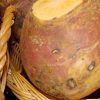
The yellow turnip pairs well with roasted meats, poultry, or fish, making it a valuable addition to the cook’s repertoire. Its texture and mild flavor allow it to absorb surrounding flavors beautifully—ideal for serving with rich gravies or herb-infused sauces.
The Comfort of Simple Yellow Turnip
The humble yellow turnip is a root vegetable that often goes overlooked, yet it delivers both nutrition and comfort when prepared well. With its slightly sweet, earthy flavor, it’s a versatile side dish that fits into everyday meals and holiday feasts alike.
Preparation couldn’t be simpler. Start by peeling and cutting the yellow turnip into chunks, then boiling until tender. Once drained, it can be mashed with butter, salt, and pepper to create a smooth, flavorful side. The butter enriches the turnip’s natural sweetness, while the seasoning brings balance without overpowering.
The yellow turnip pairs well with roasted meats, poultry, or fish, making it a valuable addition to the cook’s repertoire. Its texture and mild flavor allow it to absorb surrounding flavors beautifully—ideal for serving with rich gravies or herb-infused sauces.
Not only is it tasty, but the yellow turnip is also packed with vitamins and fiber, making it a healthy option for those seeking hearty but nutritious sides. Whether enjoyed in a rustic, chunky mash or blended to a silky finish, this vegetable delivers warmth and satisfaction. A dish made from a yellow turnip is proof that simple ingredients can create memorable meals.
Variations on Cooking Yellow Turnip
A yellow turnip can be prepared in various ways, and experimenting with cooking methods can lead to exciting variations. Boiling and mashing with butter, salt, and pepper is the most common approach, but roasting is an equally delicious option. Cut into cubes, toss with oil and seasoning, then roast until golden for a slightly caramelized edge.
For a richer flavor, the yellow turnip can be sautéed in butter after boiling, adding a bit of browning and depth. It also works well in purees, often combined with potatoes or carrots for a sweeter profile. Some cooks like to add cream or a touch of honey to balance its natural earthiness.
A yellow turnip also makes a fine addition to stews, where it soaks up the flavors of the broth and other vegetables. It can be cooked alongside root vegetables like parsnips, rutabagas, and potatoes for a hearty medley.
Its adaptability makes the yellow turnip perfect for both simple weeknight dinners and special-occasion menus. Whether mashed, roasted, or braised, it brings a wholesome, rustic element to the plate. This versatility is why many chefs keep the yellow turnip in regular rotation in their kitchens.
Yellow Turnip in Seasonal Cooking
The yellow turnip shines brightest in the cooler months, when hearty root vegetables are at their peak. Its mild sweetness and firm texture make it an excellent side dish for autumn roasts or winter holiday spreads.
Boiling and mashing with butter, salt, and pepper remains a staple preparation, but in seasonal cooking, the yellow turnip also plays well with flavors like cinnamon, nutmeg, or maple syrup. These warm accents highlight its natural sweetness while adding festive notes.
For Thanksgiving, the yellow turnip can be served as a mash alongside turkey and gravy, or roasted with other root vegetables for a colorful medley. At Christmas, it’s a perfect pairing with glazed ham or prime rib. Even at New Year’s dinners, the yellow turnip offers a bright contrast to richer dishes.
Farmers’ markets often feature the yellow turnip in late fall, offering fresh, vibrant produce perfect for seasonal recipes. Its durability means it stores well so that it can be kept on hand throughout the colder months. Whether served plain or dressed with seasonal herbs, the yellow turnip remains a comforting and reliable choice in holiday and wintertime cooking.
A Brief History of the Yellow Turnip
The yellow turnip, also known in some regions as rutabaga, has a long history in home kitchens, particularly in northern and rural areas where root vegetables were a dietary mainstay. Its ability to store well through winter made it a valuable food source before refrigeration.
In earlier times, the yellow turnip was often boiled and mashed with butter, salt, and pepper, just as it is today. It was a staple during the colder months, providing both sustenance and warmth in hearty meals. Its mild sweetness allowed it to complement salted meats, game, and roasts, making it a versatile side.
Over the years, the yellow turnip became associated with traditional holiday meals in certain cultures. For example, in some parts of Europe, it was a typical dish on festive tables, valued as both humble and celebratory. Immigrants carried these traditions with them, keeping the yellow turnip in family recipes for generations.
Today, while it may not hold the same prominence it once did, the yellow turnip remains a cherished ingredient for those who appreciate simple, wholesome flavors. Whether enjoyed in its classic mashed form or adapted to modern recipes, it connects the present to the culinary heritage of the past.
Mashed Yellow Turnip
Ingredients
- 1 lrge Turnip yellow 4 -5 lbs., peeled cut in chunks
- 4 oz. Butter
- ⅛ tsp salt
- ⅛ tsp pepper
Instructions
- In a large pot, cover cubed turnip with water, bring to a boil, reduce to simmer
- Cook until tender, pierce with a fork, if slight to no resistance it is cooked.
- Drain water, return turnip to a pan, add butter, mash with the potato masher
- Adjust Seasonings, Serve