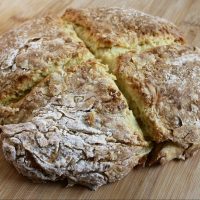
This Irish breakfast torte is a creative concept that combines potatoes and the Irish, making it a delicious treat. The Irish, for many years, consumed potatoes as a central part of their daily diets.
Roast Turkey and the Enduring Tradition of Thanksgiving
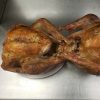
Thanksgiving and roast turkey go hand in hand in the American imagination. The image of a golden-brown bird resting at the center of a full table has become a powerful cultural symbol. More than just a meal, roast turkey represents gratitude, family connection, and the celebration of abundance.
Modern Thanksgivings still honor this tradition, though with added variety. Plant-based guests might enjoy lentil loaf or mushroom Wellington, while others opt for heritage birds or organic turkeys. Yet, even with these innovations, roast turkey remains the centerpiece for millions of households. It evokes a shared sense of ritual and warmth, even for those who rarely cook large meals.
The appeal of roast turkey lies in its versatility. Its subtle flavor pairs well with classic sides like stuffing, cranberry sauce, and mashed potatoes. It also offers a blank canvas for regional or international twists — think Cajun rubs, herb butters, or maple glazes.
In today’s fast-paced world, preparing a roast turkey may feel like a daunting task. But for many, the time spent basting, seasoning, and roasting is itself an act of care. It’s a way to pause, reflect, and offer something meaningful to loved ones — a tradition that remains as relevant as ever.
The History of Thanksgiving — A Celebration Evolving Through Time
The story of Thanksgiving is often simplified into a single meal shared between pilgrims and Native Americans in 1621. While this encounter at Plymouth is essential, it was just one of many harvest celebrations that existed in early America. Over time, the holiday evolved into a national event, officially declared by President Abraham Lincoln in 1863 as a way to unify a divided nation during the Civil War.
Roast turkey became a central feature not because it was present at that first meal, but because it was a practical, seasonal choice for many households. Turkeys were large enough to feed a family and were commonly available in late fall. Today, roast turkey is still considered the hallmark dish, symbolizing the communal spirit of Thanksgiving.
In the 21st century, Thanksgiving is celebrated across cultures and regions with growing inclusivity and diversity. Some families incorporate Caribbean, Latin, Asian, or African flavors into their menus. Others use the day to volunteer, reflect on history, or hold space for Native voices.
Even as the meaning of Thanksgiving continues to shift, roast turkey remains a tangible link to the past, not just to the pilgrims, but to generations of families who gathered around tables to give thanks, share stories, and nourish one another.
Gratitude, History, and the Role of Roast Turkey
Thanksgiving is a unique American holiday in that it blends myth, memory, and meaning into one annual observance. While the first Thanksgiving in 1621 has been romanticized over time, it was a brief moment of peace during a turbulent colonial era. Today’s Thanksgiving is less about reenacting history and more about recognizing gratitude — something more people are embracing with intention.
Central to this modern celebration is the tradition of preparing roast turkey. This practice may not date back to the earliest Thanksgivings. Still, it took hold during the 19th century as cookbooks, media, and family traditions solidified the image of turkey as the quintessential holiday bird. The symbolic weight of roast turkey, carved and shared at the table, has become part of our collective identity.
As younger generations reconsider historical narratives, Thanksgiving is slowly being reframed. Indigenous perspectives are increasingly being included, and some communities recognize the day as one of reflection and education, not just feasting. Still, many find value in gathering, cooking, and breaking bread together.
Roast turkey remains a part of that gathering, not as a historical artifact, but as a modern-day emblem of connection. Whether brined, smoked, or dry-rubbed, it holds space at the table for honoring both tradition and transformation.
Creative and Cultural Variations of Roast Turkey
While the classic roast turkey with butter and herbs is timeless, modern kitchens have embraced endless variations that suit different palates, dietary preferences, and global influences. This flexibility is part of what makes roast turkey such an enduring dish.
In Cajun country, it might be seasoned with bold spices and injected with garlic butter. In Hawaiian households, you may find it marinated with pineapple and soy, wrapped in banana leaves, and slow-roasted. Caribbean-inspired turkeys often feature jerk seasoning and citrus zest, creating a vibrant flavor profile far from the usual sage and thyme.
For those focused on healthy eating, roast turkey can be cooked with leaner methods — roasted breast-only portions, air-fried skinless cuts, or even stuffed with quinoa and kale instead of bread-based stuffing. Some chefs have gone fully fusion, crafting turkeys stuffed with biryani or glazed with Korean gochujang.
Roast turkey, once viewed as a standard holiday requirement, has evolved into a blank canvas for culinary creativity. It reflects not only personal taste but also cultural heritage. These innovative approaches keep the tradition alive and relevant, allowing each family to celebrate in a way that feels authentic to them.
And at the heart of it all, whether traditional or experimental, roast turkey still brings people together — one variation, one gathering, one grateful table at a time.
Roast Turkey
Ingredients
- 20 lbs turkey Wash inside and out
- 3 quarts orange Thyme brine see recipe
- Season Bird
Instructions
- Set Turkey in a roasting pot large enough to hold the turkey, soak in Orange Thyme Brine overnight
- Roast Turkey in Roasting pan, on the rack, at 325 in a conventional oven, covered for 4.5 hours, basting every 30 minutes with 2 quarts of brine placed on the bottom of roasting pan.
- Remove lid or foil continue to cook uncovered for 1.5 hours for color, and internal temperature reaches 165 degrees.